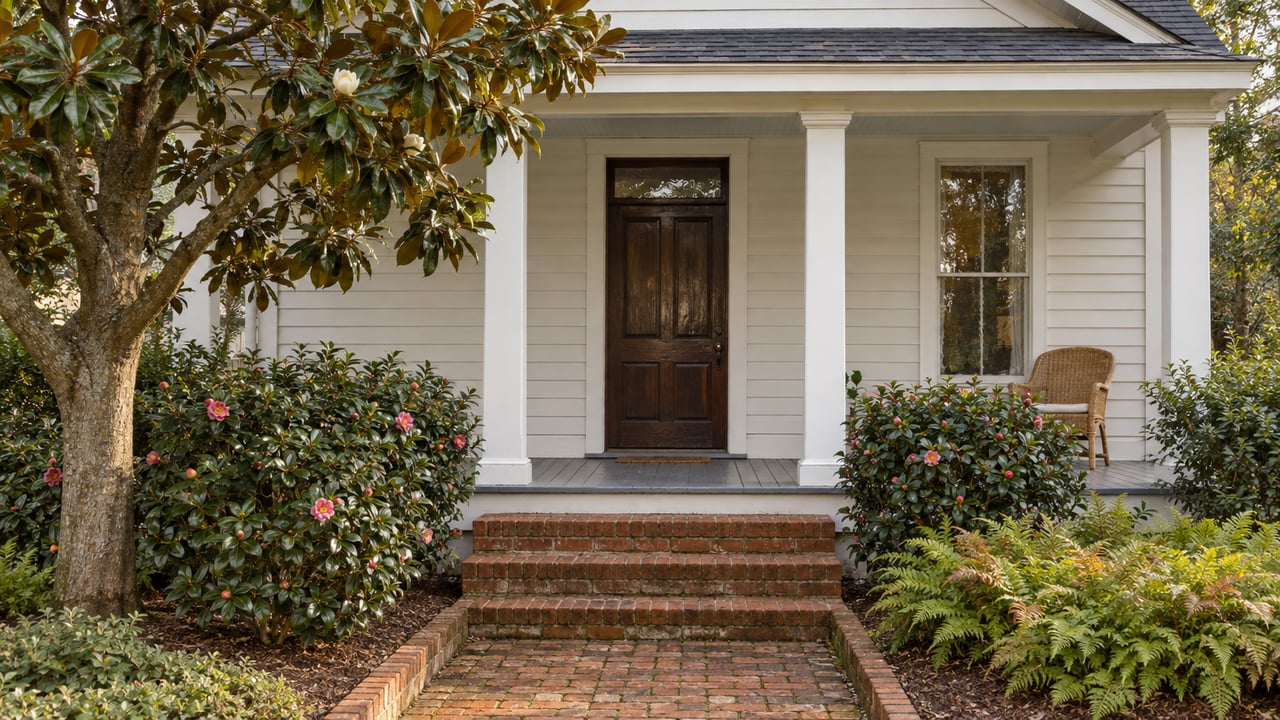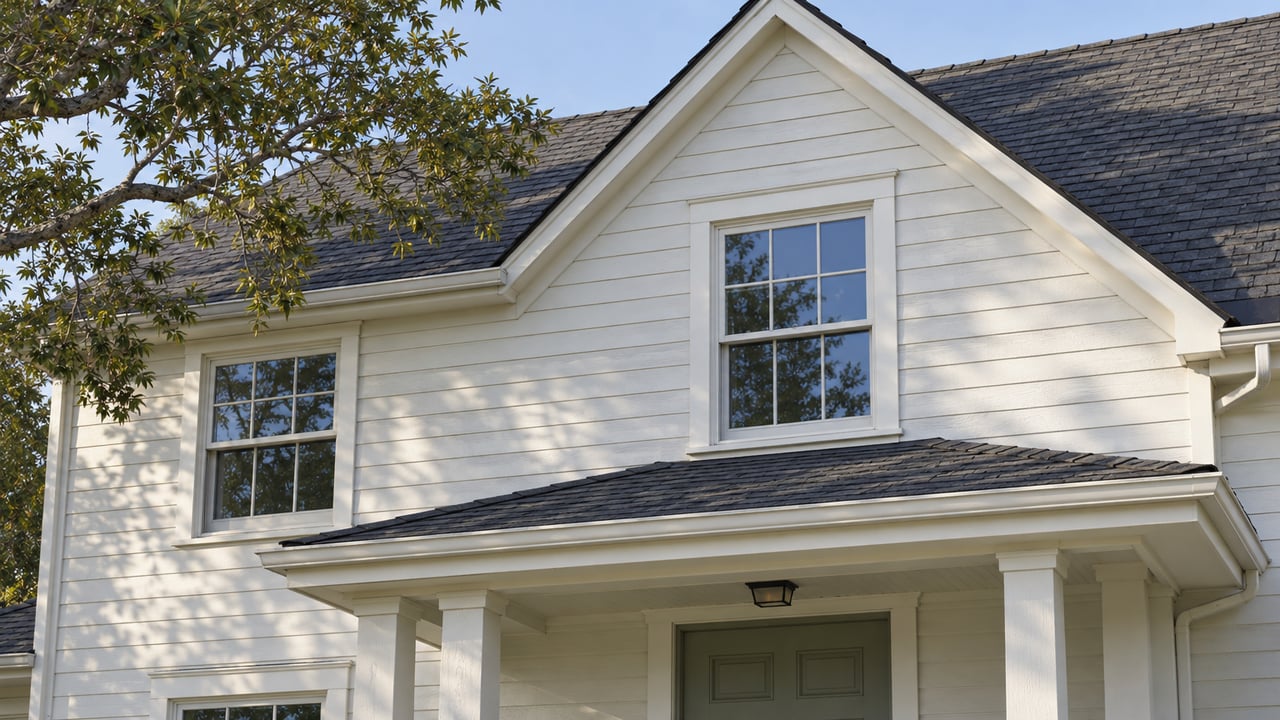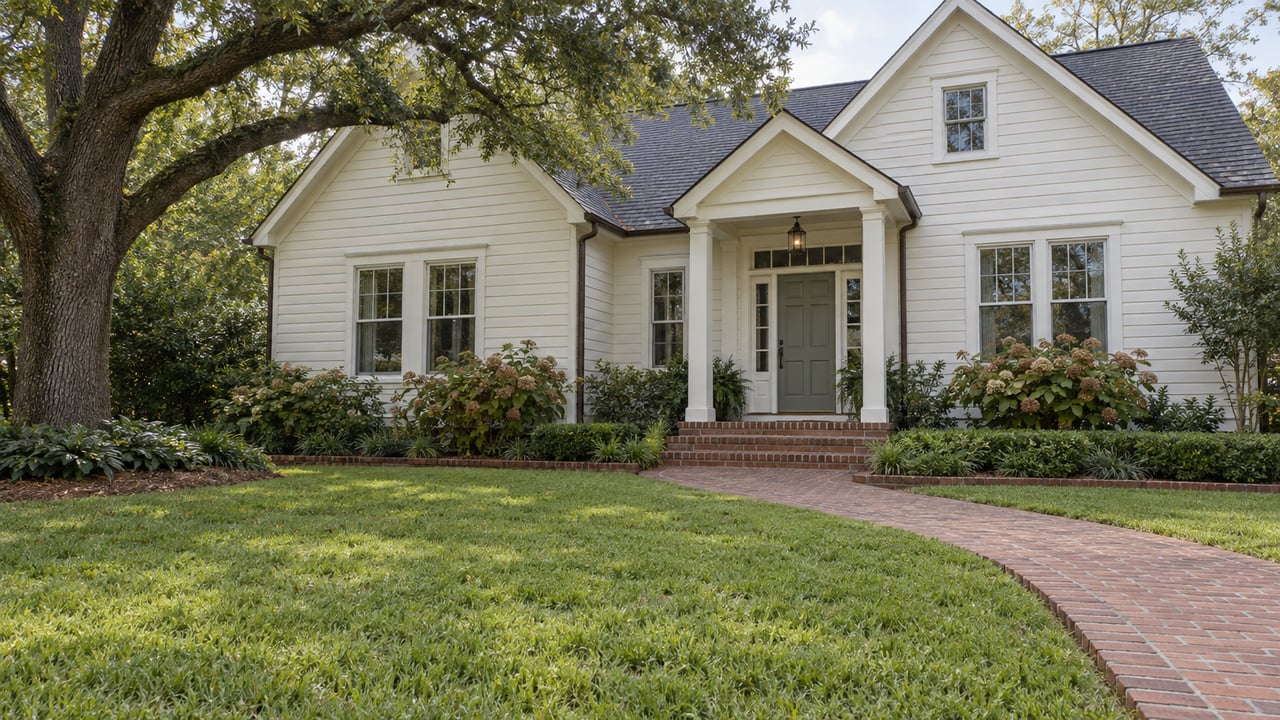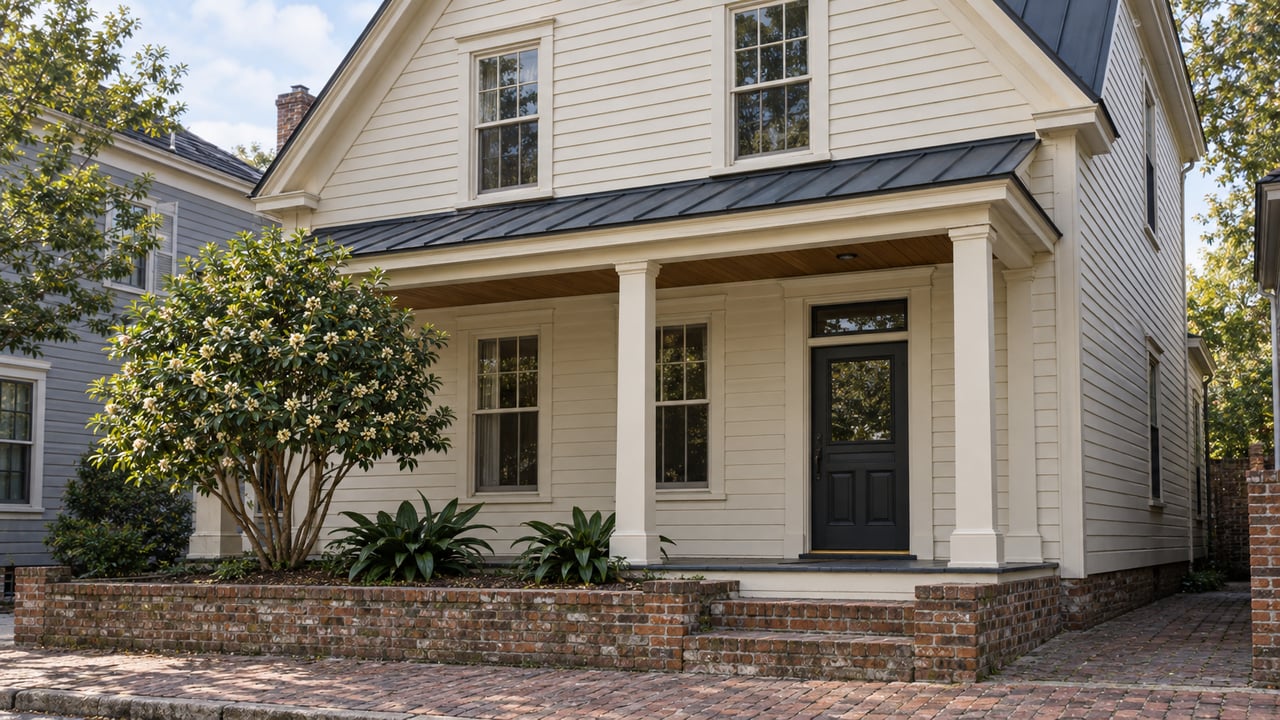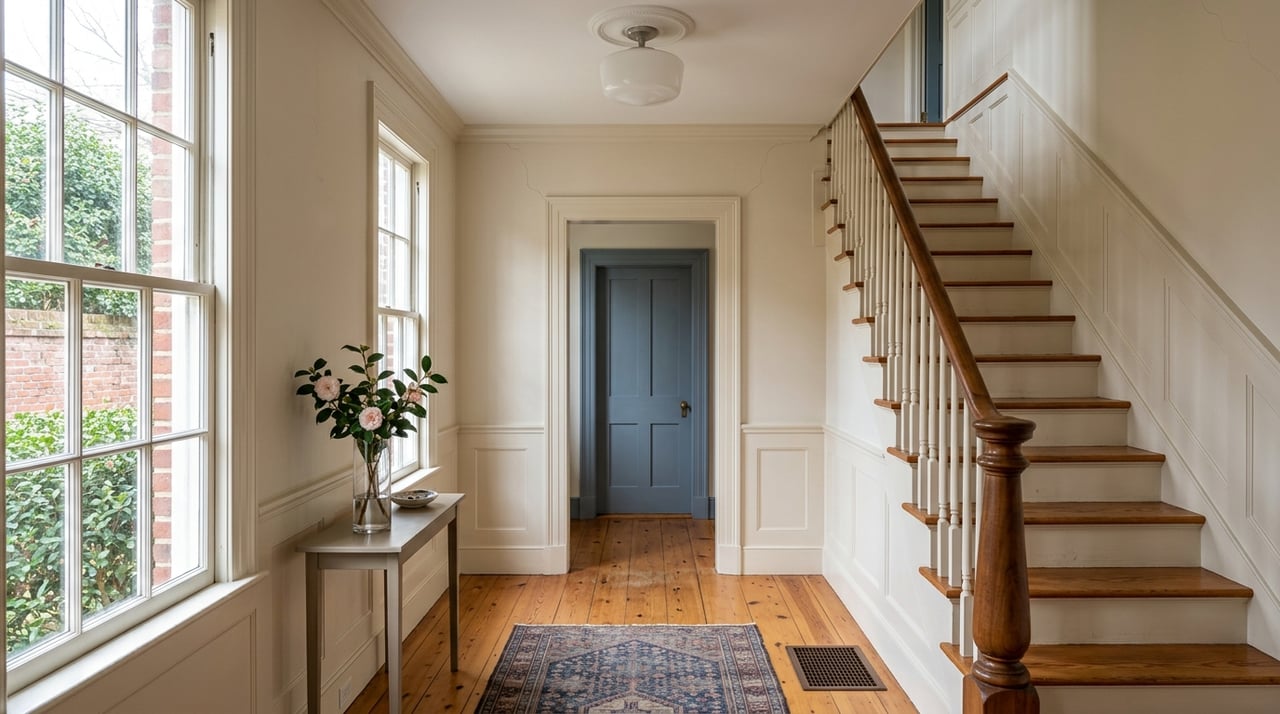
Falling for a historic home in Old Dauphin Way is easy. The details, the porches, the rooflines, and the sense of place can make a house feel special the moment you pull up. If you are thinking about buying in this part of Mobile, it helps to pair that excitement with a clear plan so you know what to look for, what rules may apply, and how financing can fit the property. Let’s dive in.
Why Old Dauphin Way Stands Out
Old Dauphin Way is not a one-style, one-era historic neighborhood. According to City of Mobile Architectural Review Board materials, the district’s period of significance runs from 1827 to 1941, and it includes a wide mix of residential, commercial, institutional, and religious buildings.
For you as a buyer, that means more variety from block to block and house to house. You may see late-19th-century homes, early-20th-century cottages, revival-era designs, and later infill, all within the same district.
Expect Architectural Variety
One of the biggest draws in Old Dauphin Way is the range of architectural character. City records note styles such as Queen Anne, late vernacular Queen Anne, Craftsman, and revival-era homes, with many designs adapted to the Gulf Coast climate.
That variety can be a real advantage if you want options in layout and style. It also means you should evaluate each property on its own merits rather than assuming every historic home in the district will have the same level of preservation, updates, or original features.
Common Features You May See
Depending on the home, you might notice details like:
- Irregular rooflines
- Asymmetrical facades
- Curved front porches
- Decorative brackets
- Fish-scale shingles
- Craftsman-style forms and details
Some homes retain strong historic character, while others have later changes like screened porches, rear additions, or mid-century updates. Those differences matter when you are thinking about condition, maintenance, and future plans.
Look Closely at Condition
Historic homes can be rewarding to own, but condition matters just as much as charm. In a district with homes from different decades, you do not want to assume a house is either fully restored or fully original based on appearance alone.
A smart approach is to look carefully at the major systems and any prior work that has been done. Roof lines, drainage, windows, additions, and signs of deferred maintenance deserve extra attention during your due diligence.
Focus on These Inspection Areas
A standard home inspection is important, but older homes often call for closer review of a few specific items:
- Roof condition and roofline complexity
- Water management around the home
- Window condition and prior replacements
- Exterior additions or enclosed porch areas
- Evidence of repairs that may affect historic character
The City of Mobile’s 2024 design-guidelines update notes that windows are a frequent issue in historic properties. That is a helpful reminder that decisions about repair versus replacement can carry more weight in a historic district.
Understand Exterior Review Rules
This is one of the most important things to know before you buy. In Mobile’s locally designated historic districts, exterior changes are not simply a matter of personal preference.
The City of Mobile states in its historic district FAQs that property owners must obtain approval for all exterior work before starting. That includes work on the building itself as well as related items such as fences and drives.
What This Means for You
If you are picturing future changes, pause and verify what review may be required first. You should not assume you can move forward with any of the following without approval:
- Replacing windows
- Changing a porch
- Adding or changing a fence
- Modifying a driveway
- Updating other exterior features
Before you close, it is wise to match your renovation ideas with the district rules. You can also review the Old Dauphin Way district map and Mobile historic GIS resources to better understand the area and how the city manages historic development.
Know the Lead Paint Rules
If the home was built before 1978, lead-based paint rules may apply. That is common territory for older housing, so it is worth understanding upfront.
The EPA says buyers of most pre-1978 homes have the right to receive lead-based paint disclosure information before signing a contract. The EPA also requires lead-safe certified firms and practices for certain renovation, repair, and painting work that disturbs lead-based paint in pre-1978 housing.
For you, this means asking clear questions about known conditions, past renovations, and any work you may want to do after closing. It is not meant to scare you away from an older home, but it is part of owning one responsibly.
Financing Can Be Different
Historic homes do not always fit neatly into every loan scenario, especially if condition issues are significant. That does not mean they cannot be financed. It means you should line up the right expectations early.
If the house needs repairs, your financing path may depend on the loan type and the scope of work. Older homes can absolutely work for financed buyers, but condition standards still matter.
FHA Buyers
HUD says FHA-insured properties must meet property acceptability requirements tied to safety, soundness, and security. If major deficiencies are found, they generally need to be addressed before closing.
If you love a home that needs more substantial updates, HUD’s 203(k) program may be worth discussing with your lender because it can combine purchase and rehabilitation costs into one mortgage.
VA Buyers
If you are using a VA loan, remember that the appraisal is not the same as a home inspection. The VA explains that the appraiser checks value and basic property-condition requirements, while your lender still evaluates other factors such as credit, income, and occupancy.
That distinction matters with an older property. A house may still need a separate, detailed inspection even if it is moving through the appraisal process.
Conventional Buyers
For conventional loans, Fannie Mae says defects affecting safety, soundness, or structural integrity must be repaired before a loan can be sold. Fannie Mae also offers HomeStyle Renovation, which can be used for existing homes and may cover updates such as window replacements and HVAC work.
If you are comparing loan options for a house that needs work, this can be a useful conversation to have early with your lender and agent.
Match the House to Your Budget
In Old Dauphin Way, the most successful buyers are often the ones who can separate emotional appeal from repair reality. It is easy to fall in love with trim details and historic charm. It is harder if the home also needs major work that stretches your finances too far.
A practical strategy is to prioritize a home with a solid roof, stable structure, and manageable systems updates. If a property still needs meaningful improvements, you may want renovation financing or a larger repair cushion so the house remains exciting rather than overwhelming.
A Smart Buying Strategy
Before you make an offer, it helps to slow down and ask a few practical questions.
Questions to Ask Before Buying
- What exterior changes have been made to the home?
- Were past additions or alterations handled in a way that fits district rules?
- What is the condition of the roof, windows, and drainage?
- Are there signs of deferred maintenance?
- Will your financing type work with the home’s condition?
- Do you have room in your budget for repairs after closing?
These questions can help you buy with confidence instead of surprises.
Why Local Guidance Matters
Buying a historic home is rarely just about square footage and price. You also need to understand condition, review requirements, financing fit, and how to balance charm with long-term upkeep.
That is where local guidance can make a real difference. If you want help evaluating a property in Old Dauphin Way and building a smart plan around your budget and goals, connect with Chrissi Moore for straightforward advice and local support.
FAQs
What makes Old Dauphin Way different from other historic areas in Mobile?
- Old Dauphin Way covers a broad period from 1827 to 1941 and includes a wider mix of building styles and property types than many smaller historic districts.
What should buyers inspect closely in an Old Dauphin Way historic home?
- Buyers should pay close attention to roof lines, water management, windows, additions, and the condition of any previous updates or repairs.
What exterior changes require approval in Mobile historic districts?
- The City of Mobile says property owners must obtain approval before starting exterior work, including changes to the building, fences, and drives.
What do buyers need to know about lead paint in older Mobile homes?
- For most homes built before 1978, buyers have the right to receive lead-based paint disclosure information before signing a contract, and certain renovation work must follow lead-safe rules.
Can you finance a historic home in Old Dauphin Way?
- Yes, but financing depends on the home’s condition and your loan type, since FHA, VA, and conventional loans each have property-condition standards that may affect the transaction.
Is a VA or FHA appraisal the same as a home inspection for a historic home?
- No, an appraisal and a home inspection serve different purposes, so buyers should still schedule a thorough inspection even when financing requires an appraisal.