Ever wonder what it’s actually like to live in a historic district instead of just admiring one from the sidewalk? If you are thinking about buying or selling in Old Dauphin Way, you probably want more than pretty photos and broad claims. You want to know how the neighborhood feels day to day, what kinds of homes you will see, and what ownership really involves. Let’s take a closer look.
Old Dauphin Way at a Glance
Old Dauphin Way is one of Mobile’s most established historic neighborhoods. The Old Dauphin Way Association describes it as the city’s largest historic district, with more than 3,000 structures across 766 acres.
The district was listed on the National Register in 1984, and the boundary was expanded in 2022. Because of that later expansion, you may see slightly different boundary descriptions depending on the source. In simple terms, it covers a large section of Midtown Mobile and has a broad, well-established presence in the 36604 area.
Historic Character Feels Varied
One of the biggest surprises for buyers is that Old Dauphin Way does not feel uniform. This is not a neighborhood where every house looks the same or follows one narrow style.
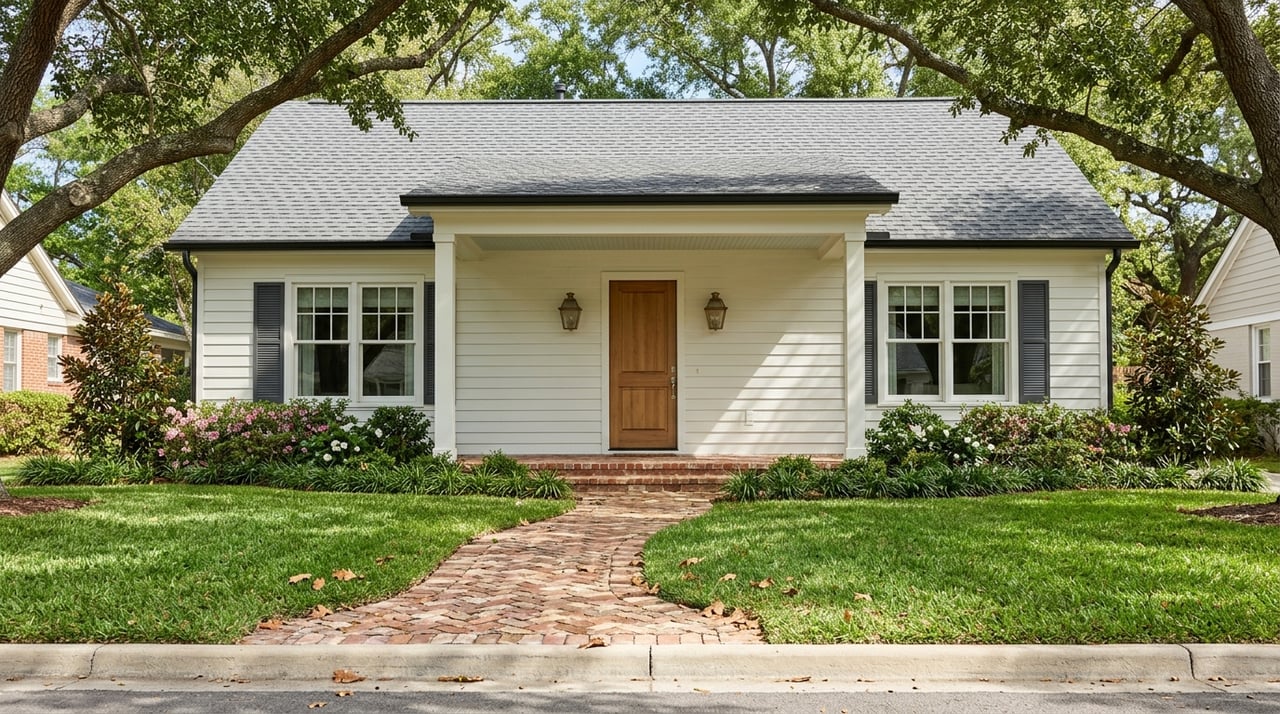
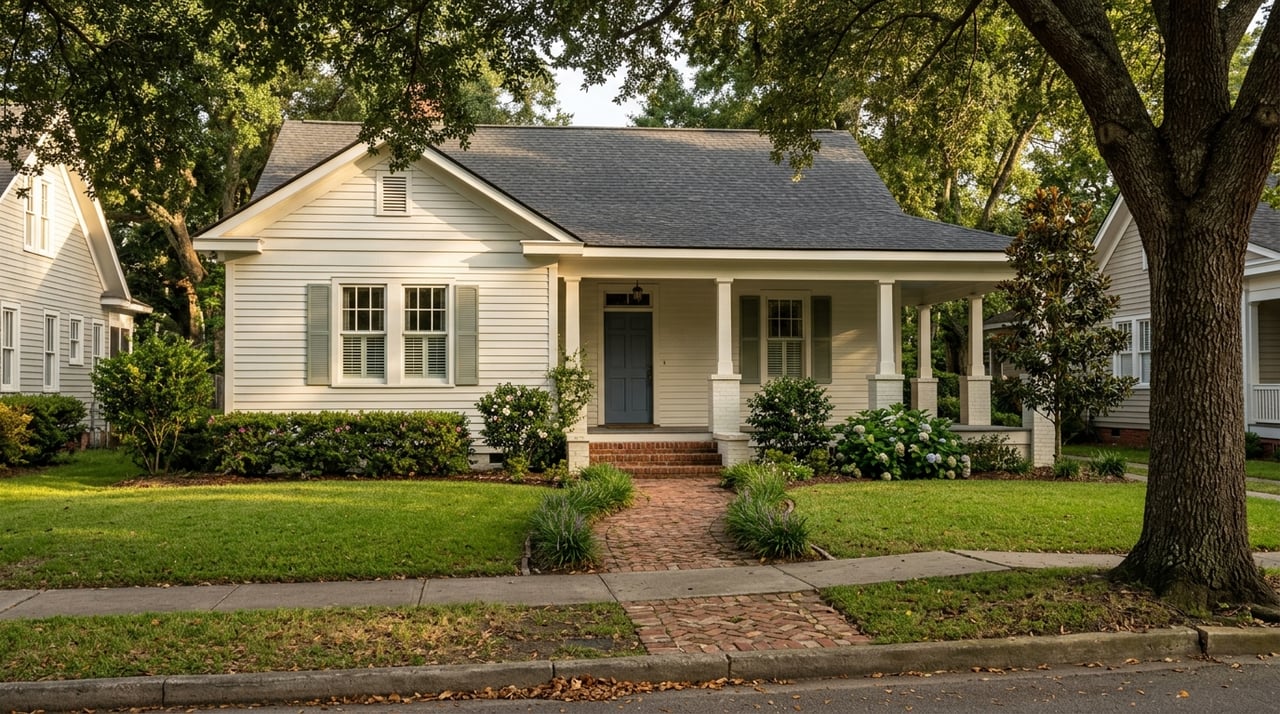
Instead, the district includes a wide mix of homes and buildings from the mid-1800s through the mid-1900s. You may see simple frame cottages, Victorian cottages, Gulf Coast cottages, bungalows, Queen Anne homes, Classical Revival houses, Italianate details, Gothic Revival elements, American Foursquares, shotgun board-and-batten cottages, and even some 20th-century apartments.
That variety gives the neighborhood a layered feel. Some blocks have grander homes, especially along corridors like Dauphin Street and Spring Hill Avenue, while others feel more modest and cottage-oriented. If you like neighborhoods with visual depth and personality, this is a big part of the appeal.
Porches, Trees, and Streets Matter Here
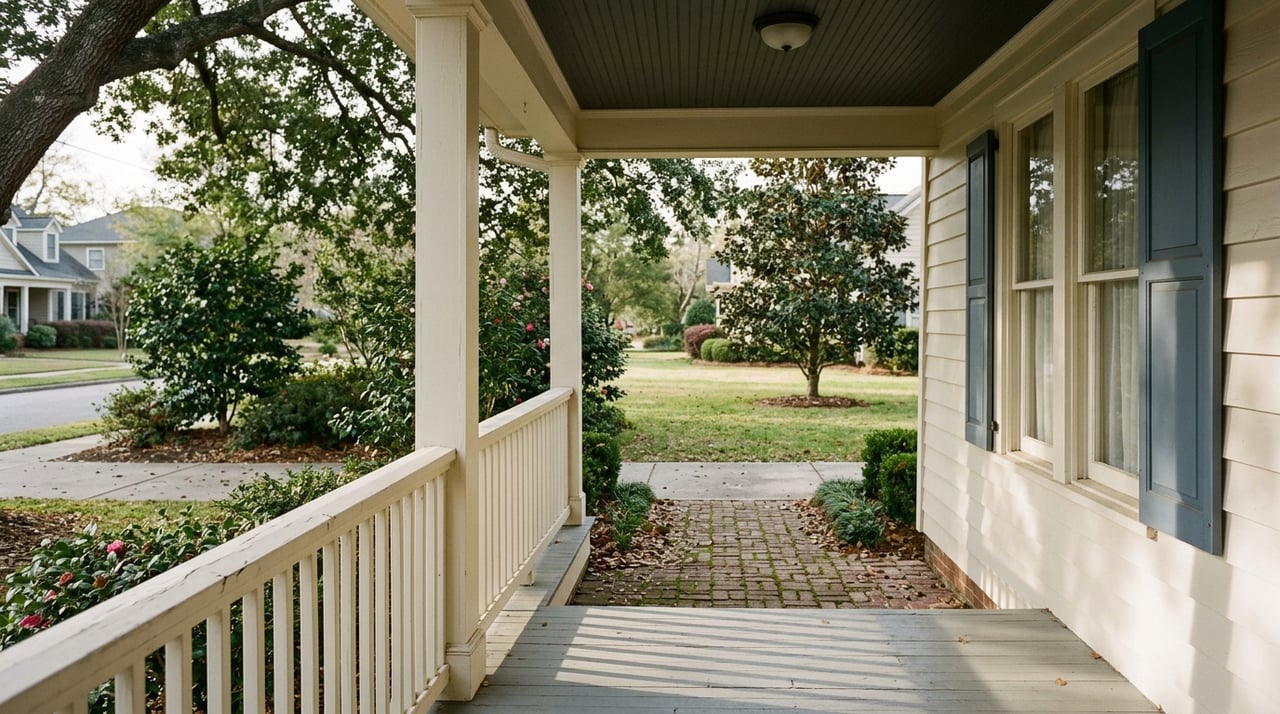
In Old Dauphin Way, the outdoor setting is part of the lifestyle. Mobile’s historic district design guidance places strong importance on porches and galleries, and you can feel that in how the neighborhood presents itself.
Front porches, deeper lots, mature shade trees, and exterior details often matter just as much as interior square footage. Tree-lined streets, planted medians, curved roadways, and oak canopy cover help create a setting that feels established and welcoming.
This is the kind of neighborhood where the street view is part of daily life. If you value curb appeal, architectural detail, and a strong sense of place, Old Dauphin Way offers that in a way newer areas often do not.
Daily Life Feels Active and Lived-In
Some historic districts can feel more like preserved backdrops than real neighborhoods. Old Dauphin Way comes across differently.
Local sources describe Mobile’s historic districts as places where you will see people strolling, running, biking, walking dogs, and spending time on porches. Street parties, community gardens, and neighborhood gathering spots are also part of the picture.
The Old Dauphin Way Association adds to that sense of activity by hosting quarterly general meetings and community projects. That tells you this is not just a collection of older homes. It is a resident-led neighborhood with ongoing involvement and shared stewardship.
Walkability Means Shade and Short Trips
When people ask whether Old Dauphin Way feels walkable, the answer is yes, but in a specific way. It is less about a brand-new planned development and more about a mature, shaded neighborhood environment where walking and biking are part of the rhythm.
The area’s porch-oriented layout, regular foot traffic, and nearby parks all support that feel. You are also in a part of Mobile with practical recreation options close by, including Lyons Park, Springhill Fitness & Community Center, Crawford-Murphy Park, and Washington Square.
That can make a real difference in everyday living. Whether you like a morning walk, a place to get outside with your dog, or nearby spots for recreation, the broader 36604 area offers useful options.
The Neighborhood Has an Urban Edge
Old Dauphin Way is not isolated from the rest of the city. It includes more than residential architecture, with commercial, institutional, and religious structures mixed into the district, along with some apartment buildings.
That mix gives the neighborhood a more urban and layered identity. It feels connected to the larger historic core of Mobile rather than set apart from it.
For many buyers, that is a plus. You get historic residential character, but you are not living in a place that feels frozen in time or limited to one type of use.
Buying Here Means Understanding Upkeep
Historic charm comes with responsibilities. If you own a home in Old Dauphin Way, exterior changes are generally regulated through the city’s historic review process.
According to the City of Mobile, exterior work in a historic district must be approved before work begins. That can include changes many homeowners might not expect, such as fences and driveways.
Some minor repairs may qualify for staff-level approval through a Certificate of Appropriateness. Larger or more visible changes may need review by the board.
Renovations Need More Planning
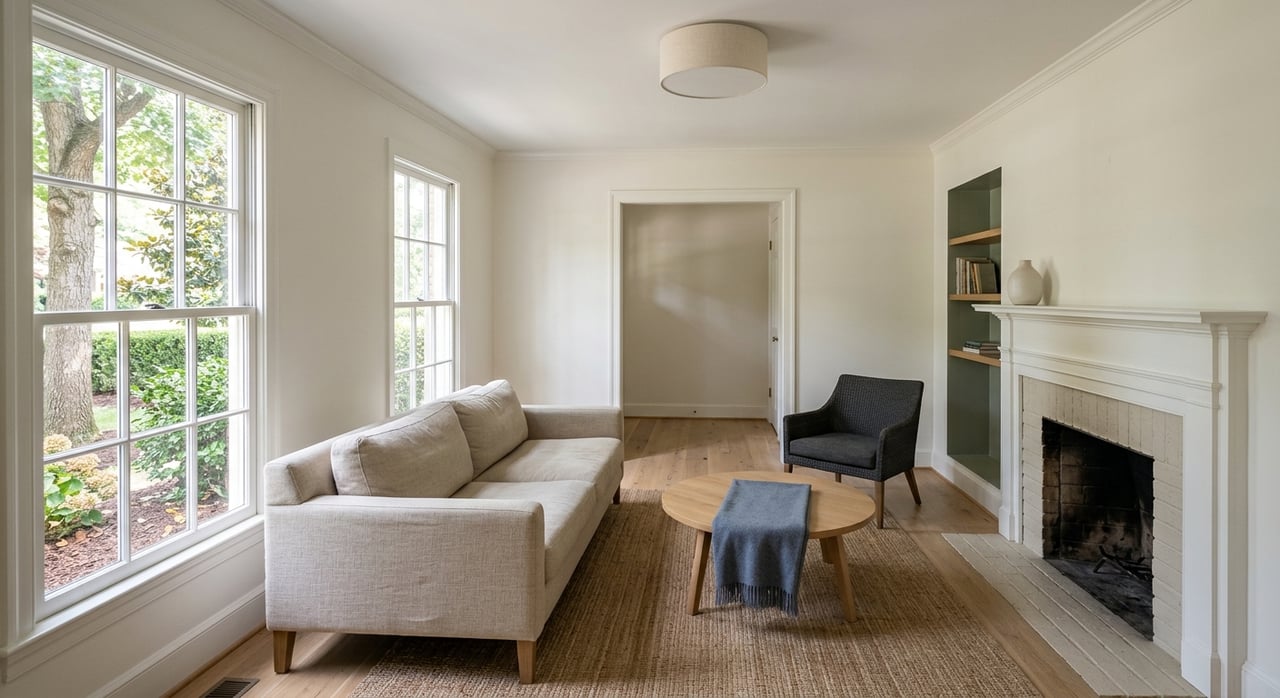
If you are considering a historic home, it helps to think ahead. In Old Dauphin Way, renovation is possible, but the process usually involves more planning, more paperwork, and closer attention to materials and design than you might see in a non-historic neighborhood.
City guidance emphasizes preserving and repairing original materials when possible rather than replacing them outright. Review topics often include windows, siding, porches, fences, doors, and roofing.
In practical terms, that means replacement work is expected to fit the home’s age, style, proportions, texture, and materials. For buyers who love authenticity, that can be a major benefit. For buyers who want fast exterior changes with few limits, it is something to understand early.
What Buyers Should Think About First
If you are exploring Old Dauphin Way, it helps to go beyond the listing sheet. A home here is as much about setting and stewardship as it is about bedroom count.
Here are a few smart questions to ask yourself:
- Do you enjoy older homes with architectural variety?
- Are you comfortable with more oversight for exterior changes?
- Do porches, trees, and block character matter to you?
- Would you enjoy an active neighborhood with visible resident involvement?
- Are you looking for a Midtown Mobile setting with a historic identity?
If most of those answers are yes, Old Dauphin Way may feel like a natural fit.
What Sellers Should Keep in Mind
If you own a home in Old Dauphin Way, your property may appeal to buyers who are looking for character, location, and neighborhood identity, not just square footage. Those buyers often notice details like porches, original features, lot presence, and how well the exterior fits the district.
That makes preparation and pricing especially important. A thoughtful strategy can help highlight what makes your home stand out while setting realistic expectations about condition, updates, and historic district guidelines.
In a neighborhood like this, clear local guidance matters. Buyers often need help understanding not just the house, but the lifestyle that comes with it.
Old Dauphin Way Is a Lifestyle Choice
At its core, Old Dauphin Way offers something hard to replicate. It combines architectural variety, mature streetscapes, neighborhood activity, and preservation-minded ownership in one of Mobile’s most established settings.
That does not make it the right fit for everyone, and that is okay. But if you want a home in a neighborhood with texture, history, and a strong visual identity, it can be a very compelling option.
If you are considering a move in Midtown Mobile and want clear, honest guidance about what fits your goals, Chrissi Moore can help you navigate the details with confidence.
FAQs
What is the Old Dauphin Way Historic District in Mobile, Alabama?
- It is one of Mobile’s largest and most established historic districts, with more than 3,000 structures across 766 acres in the Midtown area.
What types of homes are common in Old Dauphin Way?
- You will find a mix of cottages, bungalows, American Foursquares, Victorian-era homes, revival styles, and some apartment, commercial, institutional, and religious buildings.
Does Old Dauphin Way in Mobile feel walkable?
- Yes. It is known for tree-shaded streets, front porches, regular foot traffic, biking, and access to nearby parks and recreation spaces.
Can you renovate a home in Old Dauphin Way Historic District?
- Yes, but exterior changes usually need approval before work begins, and the city expects repairs and replacements to fit the historic character of the property.
Is Old Dauphin Way just a preservation area, or is it an active neighborhood?
- It is an active neighborhood with resident involvement, community projects, neighborhood meetings, and everyday activity like walking, biking, and porch living.