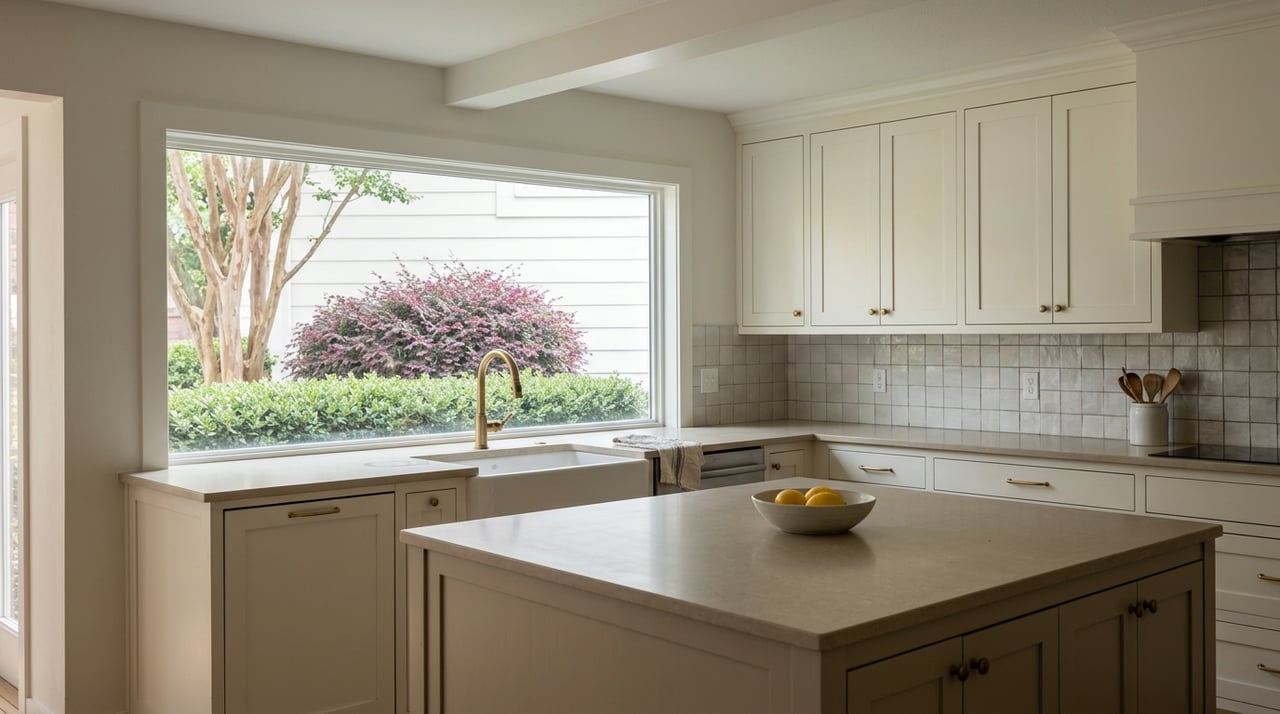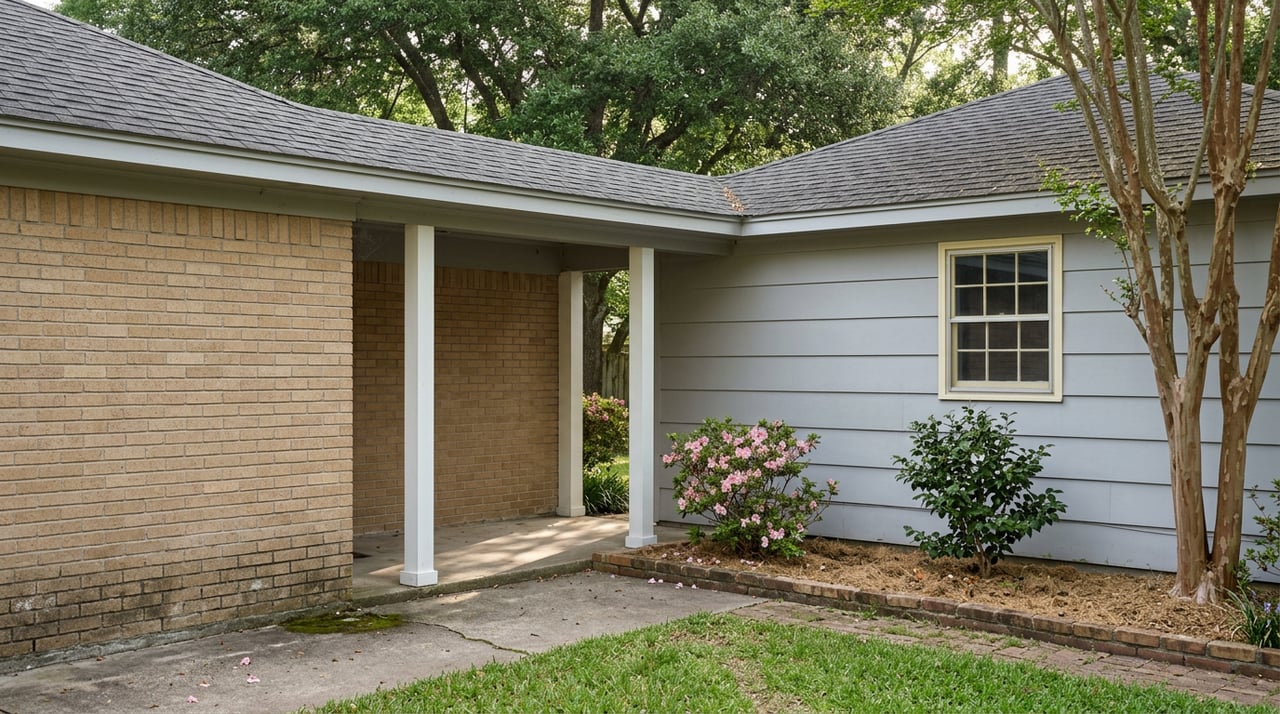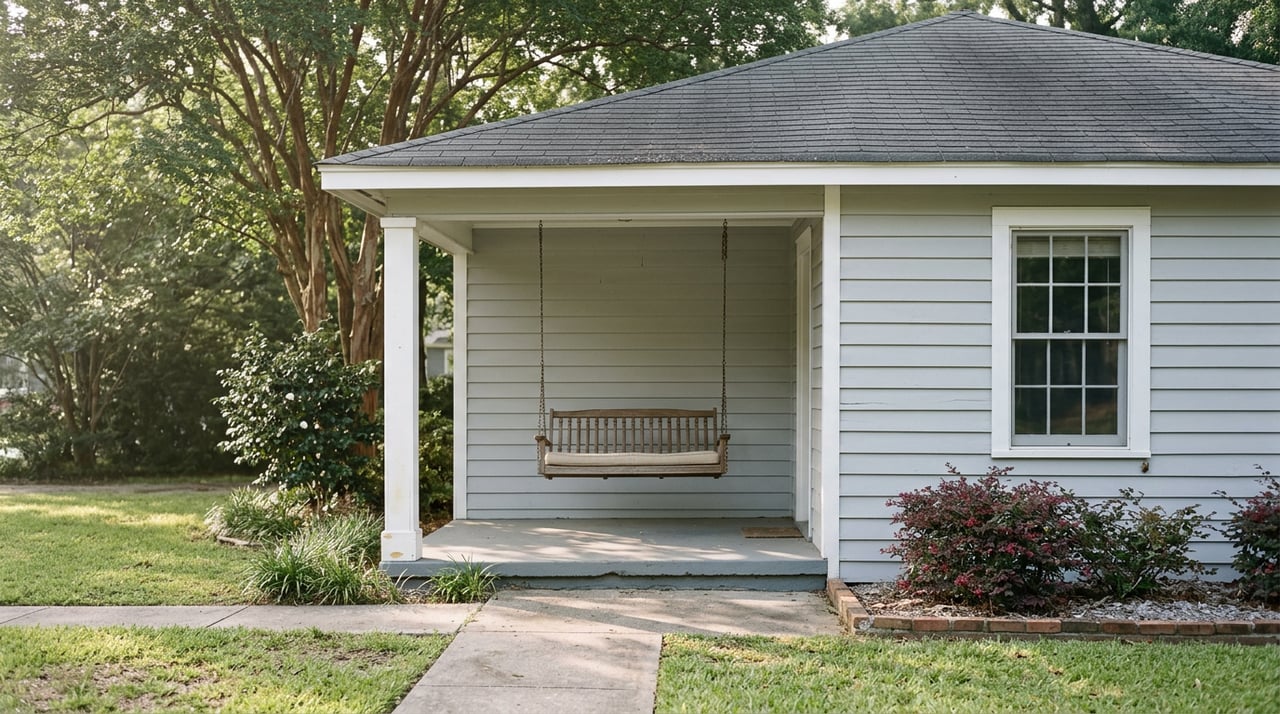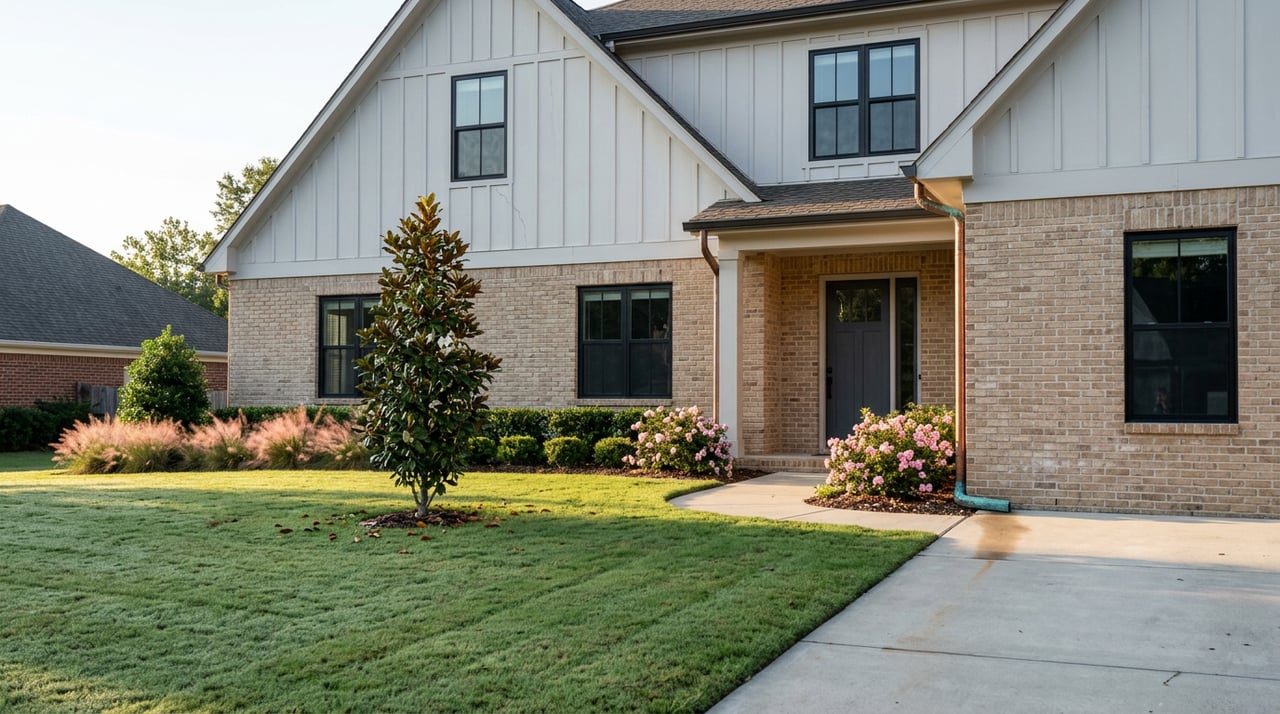
Picture two houses in the same Semmes subdivision, same builder, same square footage, listed within a few thousand dollars of each other. One flushes into a city sewer line. The other relies on a tank buried in the backyard that needs to be pumped every few years. Nothing on the listing sheet tells you which is which, and in Semmes right now, that difference is more common than most buyers assume.
It sounds like a small detail. It isn't. Semmes is one of the fastest-growing suburbs in Mobile County, and the reason this wastewater question keeps surfacing at the worst possible moment, during the inspection, is baked into how the city itself is set up.
Semmes Doesn't Run Its Own Water Or Sewer
Here's the part that catches people off guard: the City of Semmes has no water or sewer utility of its own. Its own Public Works department says so plainly, directing residents to either Mobile Area Water and Sewer System (MAWSS) or South Alabama Utilities depending on where the property sits. There's no single map that says "this side of town has sewer, this side has septic." It's determined address by address, and MAWSS even offers a tool where you can type in a specific address to check.
That matters because a buyer comparing Semmes to Saraland or Spanish Fort on price per square foot is comparing two markets where "utilities" means something completely different depending on which street you land on. A $288,000 home (the August 2026 median list price for Semmes, according to the most recent national listing data) could sit on a fully serviced municipal sewer line, or it could sit on a private system that the buyer will own, maintain, and eventually replace.
There's a second layer most buyers never hear about. MAWSS's own policy documents describe a setup used in some low-pressure sewer connections where the utility maintains a septic tank and pump as part of what's technically classified as sewer service. In plain terms: some homes marketed as "on sewer" still have a septic tank in the yard, just one that MAWSS services rather than a private contractor. The line between septic and sewer in Semmes isn't a clean split. It's a spectrum, and most buyers don't know which end of it they're standing on until closing.
The Growth Is Real, And It's Landing In A Handful Of Subdivisions
None of this would matter much if Semmes were a slow, static market. It isn't. The city's population grew from roughly 4,941 residents at the 2020 census to a projected 6,193 in 2026, north of 20% growth in six years. That growth shows up as dirt: new subdivisions going in faster than the utility footprint can always keep pace with.
D.R. Horton is currently the most active builder in the area, with communities including Penny Lakes, just west of the Schillinger Road and Howells Ferry Road intersection, and The Pines at Colleton Place nearby. Other developments, like the Oak Grove Subdivision off Floyd Crabtree Way, are bringing in fortified-construction homes from regional builders. New-construction listings in Semmes have recently carried a median price around $316,000, noticeably above the citywide median, which tells you where the growth dollars are concentrated.
Land listings in the same area make the utility patchwork visible if you know where to look. One recent listing for a lot on Schillinger Road specifically notes that water and sewer are available through MAWSS but "will require extensions," meaning the buyer or builder pays to bring service the rest of the way. Not far away, a nearly nine-acre tract off Whitestone Road is being marketed with "two existing septic systems" as a selling point for someone wanting to build multiple homesites. Same general area of Semmes. Completely different wastewater reality. That's the pattern playing out across dozens of smaller lots too, just less visibly.
What This Actually Costs, And When You Find Out
The financial gap between the two setups isn't dramatic on a monthly basis, but it shows up at different times and in different ways, which is exactly why it catches people off guard.
| Wastewater setup | Typical cost | What triggers it |
|---|---|---|
| Septic tank pump-out | About $400 | Routine, every few years |
| Sewer line repair (Semmes area) | $1,500 to $6,000 | Depends on trenchless vs. excavation repair, and pipe depth |
Septic costs are predictable and low, until a drain field fails, which is a much larger expense that doesn't show up in routine maintenance pricing. Sewer costs are rarer but can spike higher per incident, particularly if a line needs excavation rather than trenchless repair. Neither system is inherently the worse deal. What matters is that a buyer comparing two similarly priced homes should know which cost profile they're signing up for, and right now, that information usually isn't on the listing.
This is where Alabama's disclosure law becomes relevant. Alabama does not require sellers to fill out a standardized property disclosure form the way some states do. Sellers can't actively conceal a known defect, but there's no checklist forcing "septic tank, last pumped [date]" into writing before an offer is made. That means the wastewater question often doesn't surface until a home inspection, or until a well digger or plumber gets called out after move-in.
None of this should scare a buyer away from Semmes. It should just move up the timeline of a question that usually gets asked too late.
Questions Worth Asking Before You Write An Offer
- Is this address served by MAWSS, South Alabama Utilities, or neither, and which one covers sewer versus water separately?
- If it's on a septic system, when was it last inspected or pumped, and who has serviced it?
- If it's on a MAWSS low-pressure connection, is there still an onsite tank and pump involved, and who maintains it?
- For new construction, has the subdivision's utility extension been fully completed, or is it still in progress?
- Does the HOA, if there is one, cover any shared utility infrastructure, or is everything the individual homeowner's responsibility?
Every one of these is answerable before closing. Almost none of them are answered by the listing photos.
A Few Common Questions
Does new construction in Semmes guarantee municipal sewer? No. Builders sometimes extend MAWSS lines to a subdivision and sometimes rely on individual septic systems, depending on the parcel and what utility infrastructure already reaches it. New doesn't automatically mean sewer.
How do I check which utility serves a specific address before I even tour the home? MAWSS provides an address lookup tool on its site to confirm whether water and sewer service reach a given property. That's a faster answer than waiting for a disclosure that may never come in writing.
Is septic a reason to walk away from a house? Not on its own. Plenty of well-maintained septic systems in Semmes function for decades with routine pumping. The issue isn't septic versus sewer as a dealbreaker, it's going in without knowing which one you're buying and budgeting accordingly.
Semmes is growing fast enough that these details are easy to lose track of, even for people watching the market closely. If you're comparing Semmes against other Mobile-area suburbs and want someone who can walk a specific address's utility history with you before you write an offer, Chrissi Moore has spent years working these exact streets. Call Chrissi today.